



Your Eyes Can Reveal 270+ Health Conditions
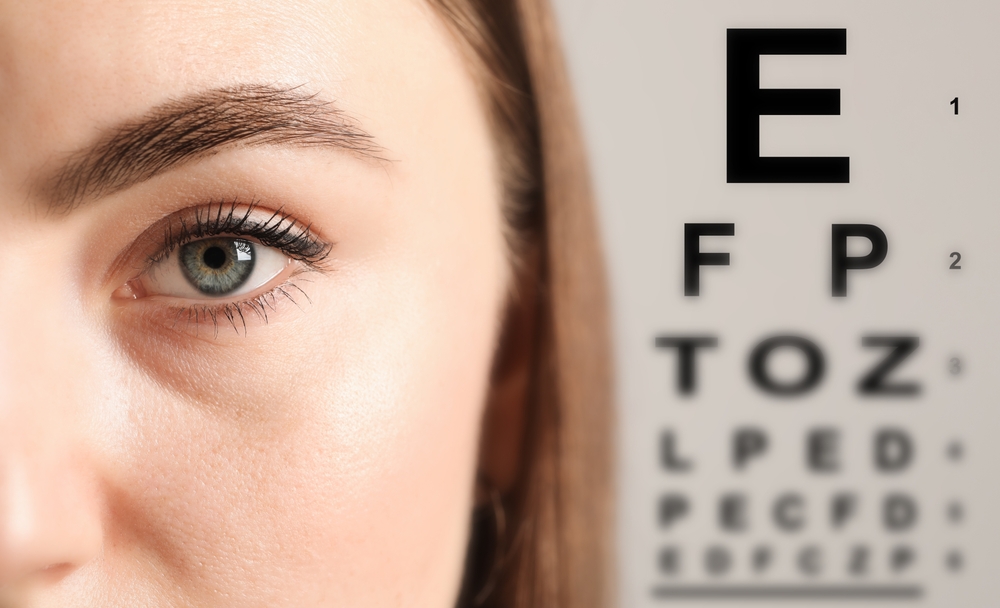
Your Eyes Can Reveal 270+ Health Conditions
Here's What Your blink. Docs in Georgetown Look For
Most people think an eye exam is just about reading letters on a wall chart; It's so much more than that.
Your eyes are the only place in your body where a doctor can see live blood vessels and nerve tissue without surgery or X-rays. They are windows to your body’s health, and the details they provide us are incredibly powerful! A comprehensive eye exam can pick up early warning signs of over 270 chronic and systemic health conditions — often before you feel a single symptom.
Let that sink in for a second. Your annual eye exam might catch something your regular checkup missed.
What Can an Eye Exam Actually Detect?
When your optometrist looks into your eyes with specialized equipment, they're examining tiny blood vessels, the optic nerve, the macula, and the rest of your retina in real time. Changes in these structures can signal problems happening throughout your entire body.
Here are some of the biggest ones:
Diabetes
Leaking blood or yellow fluid in your retinal blood vessels can be a sign of diabetic retinopathy — and it sometimes shows up before you've even been diagnosed with diabetes. In fact, optometrists across the country diagnosed over 400,000 patients with diabetic retinopathy who didn't yet know they had diabetes. Yep, that's not a typo - Four hundred thousand people learned about a life-changing condition because they got an eye exam!
High Blood Pressure
Unusual bends, kinks, or bleeding in the tiny blood vessels at the back of your eye can indicate hypertension. About 1 in 3 American adults have high blood pressure, and many don't know it. Your eyes can tell the story your blood pressure cuff hasn't told yet.
High Cholesterol
A yellow or blue ring around your cornea (called arcus senilis) in patients under 40 is a red flag for elevated cholesterol. Your optometrist can also spot fatty deposits in your retinal blood vessels.
Brain Tumors and Neurological Conditions
Increased pressure inside your skull — which can be caused by a tumor — shows up as swelling of the optic nerve (called papilledema). Changes in your visual field, new report of double vision, or unequal pupil sizes are all warning signs that warrant immediate attention.
Autoimmune Diseases
Conditions like rheumatoid arthritis (RA), lupus, and multiple sclerosis (MS) can all show up in your eyes. About 25% of rheumatoid arthritis patients develop eye-related issues, and optic neuritis (inflammation of the optic nerve) can be the very first symptom of MS.
And That's Just the Start
Eye exams can also reveal early signs of stroke risk, thyroid disease, sickle cell disease, sarcoidosis, anemia, and even certain cancers. The American Academy of Ophthalmology and Optometry maintain a comprehensive list that keeps growing as diagnostic technology improves.
Why This Matters for Central Texans
Georgetown is one of the fastest-growing cities in the country — our population has jumped over 66% in just five years. With that growth comes a lot of new families, young professionals, and active retirees (hello, Sun City!) who are building new lives here. Finding the right healthcare team is one of the first things on everyone's list.
But here's the thing: many people skip annual eye exams because they think their vision is fine. And that's exactly when silent conditions like glaucoma, diabetic retinopathy, and macular degeneration can progress undetected. By the time you notice symptoms, irreversible damage may have already occurred.
At Blink, we use advanced diagnostic technology — including Optos ultra-widefield retinal imaging that captures up to 200 degrees of your retina in a single image, our MYAH optical biometer for precise measurements of the front of the eye, our Olleyes VisuALL virtual system to detect visual field defects, color vision defects, and much more! These tools let us see things that a standard exam simply can't!
How Often Should You Get an Eye Exam?
The American Optometric Association recommends:
- Children: First exam at 6–12 months, again at age 3–5, then annually before first grade and beyond
- Adults 18–64: At least every two years, or annually if you wear glasses, contacts, or have risk factors
- Adults 65+: Every year — no exceptions
- Diabetic patients: Annual dilated eye exam, regardless of age
If you're taking GLP-1 medications or semaglutides, the AOA now recommends a comprehensive dilated eye exam within 12 months of starting therapy. (We'll cover this in detail in an upcoming post — stay tuned.)
The Bottom Line
Your eye exam isn't just about whether you can see the road signs clearly. It's a full-body health checkpoint that happens to start with your eyes and in a growing community like Georgetown, having an eye care team that uses the latest technology and takes the time to really look — that matters.
Don't wait for a symptom to tell you something's wrong. Your eyes might already have the answer.
Ready to schedule your comprehensive eye exam? Book online at www.blinkgeorgetown.com or call/text (737) 225-8644
Frequently Asked Questions
Q: Can an eye exam really detect cancer?
A: Yes. Certain cancers, including ocular melanoma and metastatic cancers, can be visible during an eye exam. Your optometrist examines the retina and internal eye structures where abnormal growths or lesions can appear.
Q: How is a comprehensive eye exam different from a vision screening?
A: A vision screening (like the one performed in schools or at the DMV) only checks to see if you can see clearly at distance. There is no evaluation of you ocular health.
A comprehensive exam evaluates your entire visual system and ocular/eye health — including the retina, optic nerve, eye pressure, and blood vessels — using specialized diagnostic equipment.
Q: Does insurance cover comprehensive eye exams in Georgetown?
A: Most vision insurance plans (VSP, EyeMed, etc) and medical insurance (including Medicare) cover comprehensive eye exams. At Blink, we work with most major insurance providers. Call/text us at (737) 225-8644 to verify your coverage.
Q: What technology does Blink use during eye exams?
A: We use Optos ultra-widefield retinal imaging (captures 200 degrees of your retina), MYAH optical biometer and corneal topographer, and Olleyes VisuALL virtual reality diagnostic testing — giving us one of the most thorough views of your eye health available.
Sources
- American Academy of Ophthalmology — Eye Health Statistics
- VSP — Eye Exams Can Detect Early Signs of 270+ Health Conditions
- CDC — Why Eye Exams Are Important
- AOA — See the Full Picture of Your Health
- National Eye Institute — Eye Health Data and Statistics
Quick Links

All Eye
Care Services

Keep
In Touch
MAP
© 2026 blink boutique eyecare + eyewear. All Rights Reserved. Accessibility Statement - Privacy Policy - Sitemap
Powered by: 
